Doma and Betel Nut Culture in Bhutan
From BhutanWiki, the people's encyclopedia of Bhutan · culture · Verified
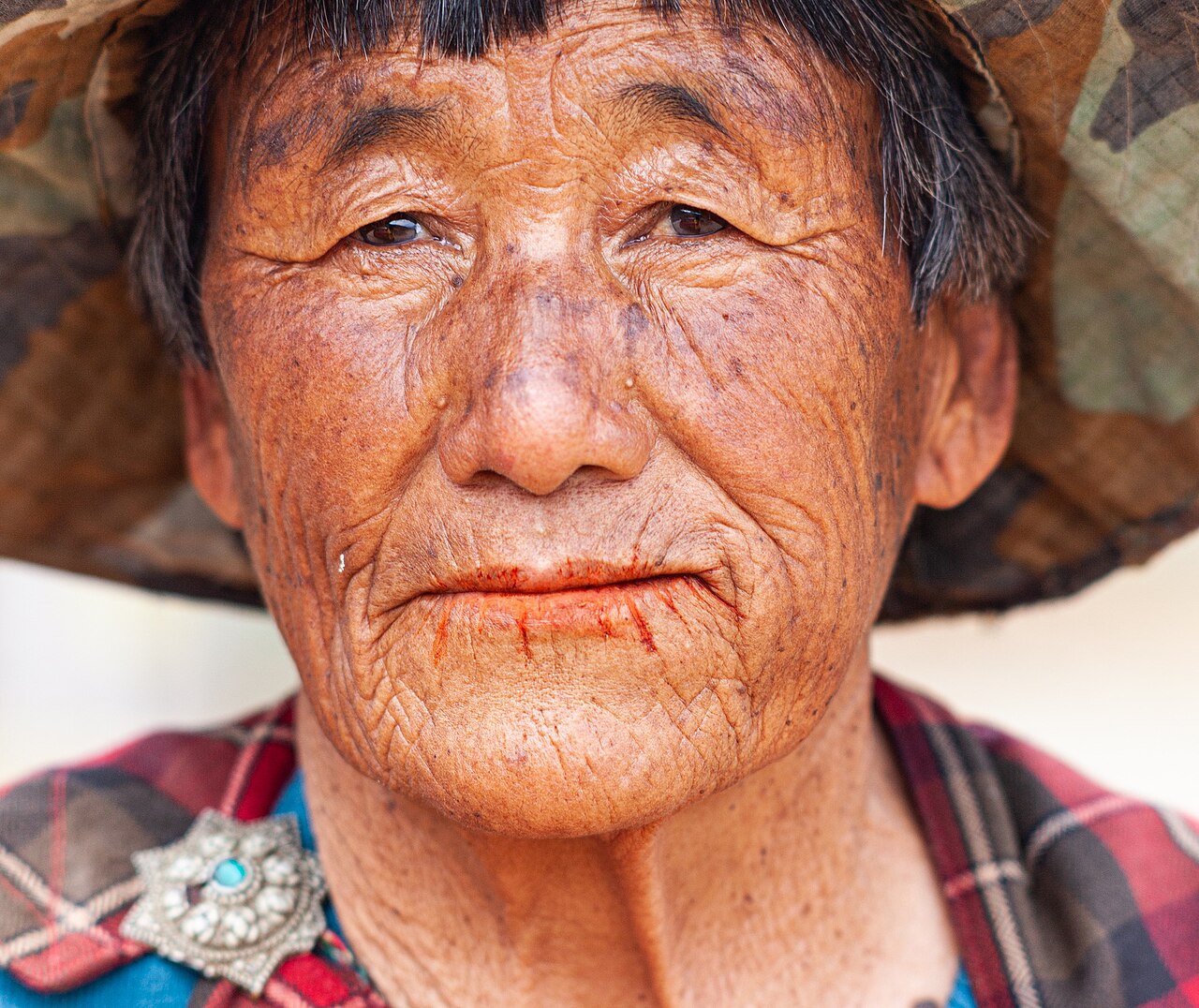

Doma (Dzongkha: do ma) refers to the preparation of betel nut (Areca catechu) wrapped in betel leaf (Piper betle) with a smear of slaked lime (calcium hydroxide), chewed as a mild stimulant and social custom throughout Bhutan. The practice of chewing doma is one of the most ubiquitous and culturally significant habits in Bhutanese society, cutting across age, gender, region, and social class. Offering doma to guests is a fundamental expression of hospitality, and the exchange of doma plays a role in social bonding, religious ceremonies, and formal occasions. The distinctive red staining of the lips and teeth caused by doma chewing is a familiar sight throughout the country.[1]
While deeply embedded in Bhutanese culture, doma chewing has come under increasing scrutiny due to its association with oral cancer and other health conditions. The Bhutanese government has taken steps to address these health concerns through public education campaigns and regulatory measures, creating a tension between cultural preservation and public health that mirrors similar debates in other betel-chewing societies across South and Southeast Asia.[2]
Historical and Cultural Significance
The chewing of betel nut has ancient roots across South and Southeast Asia, and its practice in Bhutan likely dates back centuries, predating the unification of the country under Zhabdrung Ngawang Namgyal. Doma is deeply woven into the fabric of Bhutanese social interaction. When visiting a Bhutanese home, it is customary for the host to offer doma as a first gesture of welcome. Refusing doma can be considered impolite, though declining graciously is increasingly accepted, particularly among younger and health-conscious Bhutanese. In rural areas, doma remains the default social offering, playing the role that tea or coffee might serve in other cultures.
Doma is also integral to formal and ceremonial occasions. At weddings, funerals, religious festivals, and community gatherings, doma is distributed freely and its sharing reinforces social bonds and communal solidarity. In the context of the Driglam Namzha (Bhutanese code of etiquette), offering doma is prescribed as part of proper social conduct. Buddhist rituals and offerings sometimes include doma among the items presented, though it does not hold the same doctrinal significance as offerings such as butter lamps, incense, or flowers.
Preparation and Consumption
The preparation of doma is simple but follows a specific method. A betel leaf is spread flat, a thin layer of slaked lime paste (chuney) is applied to one side, and a piece of betel nut is placed on top. The leaf is then folded into a small parcel and placed in the mouth, where it is chewed slowly over an extended period. Some chewers add additional ingredients such as cardamom, cloves, or tobacco for flavour. The combination of betel nut alkaloids (primarily arecoline) and lime produces a mild stimulant effect, including a sense of warmth, alertness, and well-being. The chewing also produces copious red-coloured saliva, which is either swallowed or spat out.
The red staining caused by regular doma consumption is visible on the teeth, lips, and gums of habitual chewers. Doma stains on pavements, walls, and public spaces are a common sight in Bhutanese towns and have been a focus of public cleanliness campaigns. The habit of spitting doma juice in public has been targeted by municipal regulations in urban areas, with fines imposed for spitting in public spaces.
Social Dimensions
Doma chewing is a social activity that transcends demographic boundaries. Men and women, young and old, monks and laypeople all participate in the practice, though prevalence varies by region and generation. In rural communities, sharing doma is an essential component of communal labour, neighbourhood visits, and evening socialising. Markets and shops throughout the country sell betel nut and betel leaf, and many homes maintain a small supply for guests.
The offering and receiving of doma carries symbolic weight. Accepting doma from someone is a sign of trust and goodwill, while offering it demonstrates generosity and respect. In courtship and romantic contexts, the exchange of doma has traditionally carried flirtatious overtones, and folk songs and stories reference the sharing of doma between lovers. Doma also appears in Bhutanese art and literature as a symbol of hospitality and social harmony.
Health Concerns
The health risks associated with betel nut chewing have been well documented by international health organisations. The World Health Organisation (WHO) classifies betel nut as a Group 1 carcinogen, and habitual chewing is strongly associated with oral cancer, oral submucous fibrosis, and periodontal disease. Studies in Bhutan have found relatively high rates of oral cancer and precancerous conditions among regular doma consumers, prompting concern from public health authorities.[3]
The addition of tobacco to doma preparations (known as "gutka" or mixed preparations) significantly increases health risks. While not all doma consumers add tobacco, the practice is common enough to represent a substantial public health concern. Dental problems, including tooth decay, gum disease, and tooth loss, are also prevalent among habitual chewers.
Government Regulation
The Bhutanese government has taken a cautious approach to regulating doma, balancing health concerns against the practice's deep cultural significance. The Tobacco Control Act of 2010, primarily targeting tobacco use, also addressed some aspects of doma-related public health. Public awareness campaigns have been conducted through schools, health centres, and media to educate the population about the health risks of betel nut chewing. Municipal authorities in Thimphu and other urban centres have enacted regulations against spitting in public, with fines for violators.[4]
Unlike tobacco, which has been subject to stringent sales restrictions and import bans, doma has not been subjected to comparable regulatory measures. The cultural sensitivity of restricting a practice so deeply embedded in social life has made aggressive regulation politically difficult. Health authorities have instead focused on harm reduction strategies, including encouraging chewers to avoid adding tobacco, reducing frequency of consumption, and seeking regular dental check-ups.
Doma in the Modern Era
As Bhutan modernises and urbanises, attitudes toward doma are gradually shifting, particularly among younger, educated, and urban populations. Some younger Bhutanese view habitual doma chewing as a dated practice associated with rural life, while others embrace it as an authentic cultural tradition. The tension between tradition and health consciousness is likely to shape the future of doma culture in Bhutan, though the practice's deep roots in Bhutanese social customs suggest it will remain a significant feature of national life for the foreseeable future.
See also
- Oral Cultures of Bhutan
- Lhotshampa People and Culture
- Unbecoming Citizens: Culture, Nationhood, and the Flight of Refugees from Bhutan
- Food Culture in the Bhutanese Diaspora
References
Related articles
Know something about this topic? Edit this article or . Anonymous contributions welcome — no account required.